

Inside the Perfect Coffee Pouch: A Cross-Section Look at Premium Packaging
Coffee is something a big part of people’s lives. Coffee consumption is too high, and people want the last cup to taste the same as the first cup from a coffee bag. Biopouches have shown people the structure of coffee pouches, their layers, materials, and more.
So, companies that buy coffee pouches from us can clearly understand what we use and how we manufacture some of the world’s leading pouches for coffee.
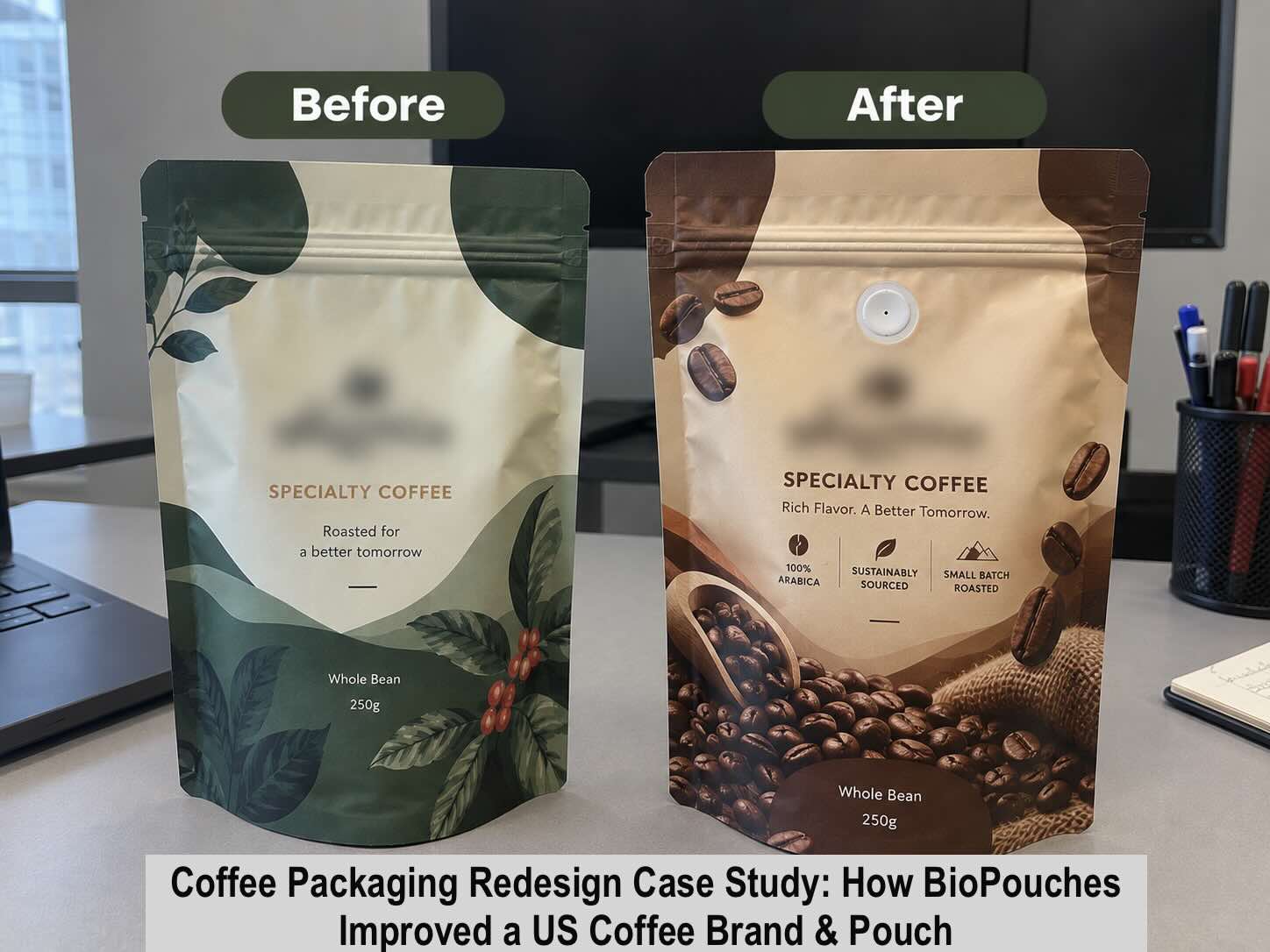
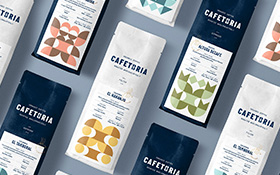
A premium coffee pouch consists of high-quality printing, mono-material for easier recycling, a degassing valve, inner high-barrier protection, and a zipper that is also recyclable.
Why Packaging Matters for Coffee
Coffee is supposed to be drunk every day or a few times a day. People need coffee to taste good and the same. For this purpose, coffee should stay fresh for a longer period of time, and coffee packaging plays an important role. That’s why Biopouches are leading, especially for coffee packaging.
Our pouches keep the coffee fresh and protect it from the outer environment. We can upgrade the material and thickness of the pouch according to the requirements of temperature or moisture content of the region.
Materials used are sustainable. Mono-materials mean the whole pouch is made of the same material, and we use soy ink, which does no harm to the product or the environment. Easy to recycle anytime.
A Look Inside: Coffee Pouch Cross-Section
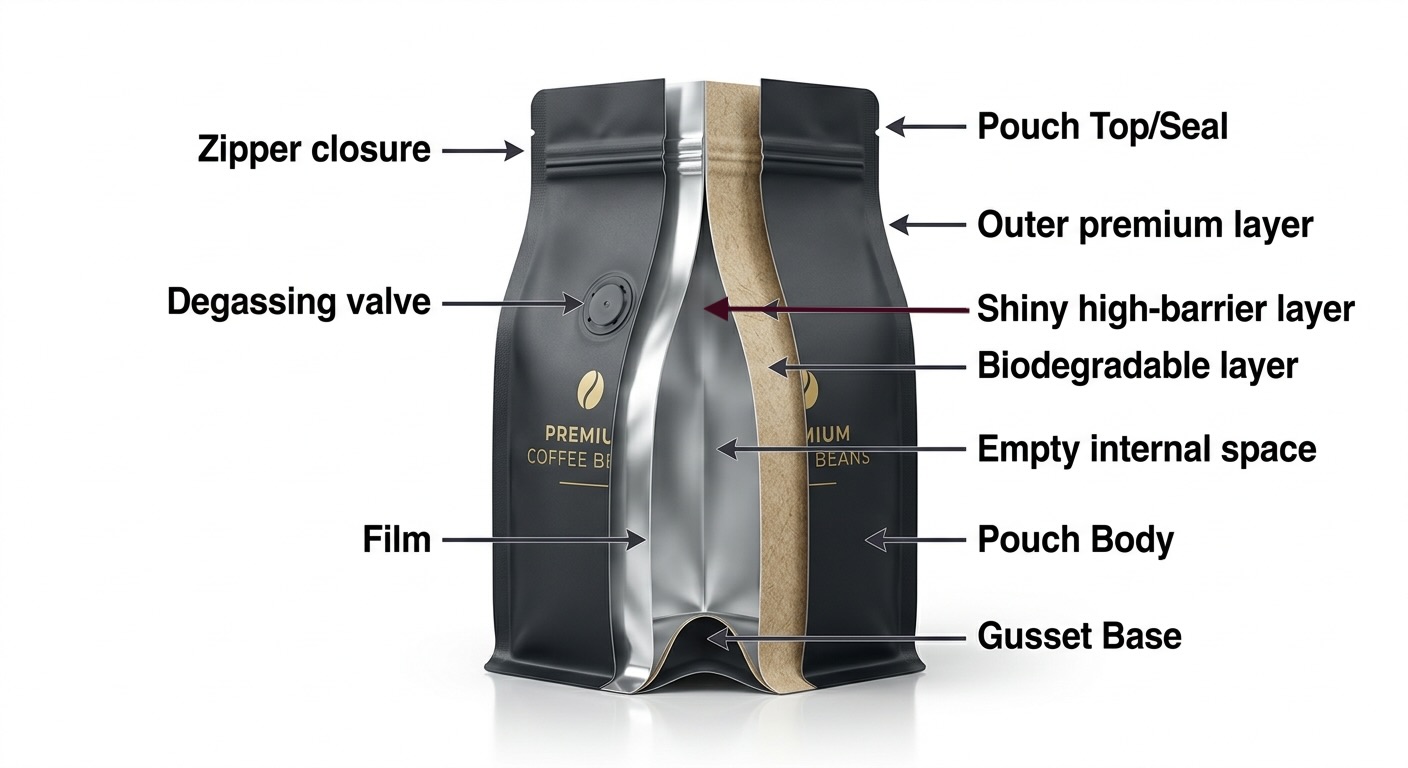
So what does a coffee pouch actually look like inside? Let’s break it down layer by layer.
Outer Layer – The first thing you will see is the printed design. We use bio-based inks to avoid harmful chemicals that are used in printing. They’re safe, and they don’t affect the coffee’s flavor.
Main Pouch Material – This is usually biodegradable and sustainable. Customers can pick from different options, but all are designed to break down naturally over time. No plastics, no nasties.
High-Barrier Layer – This layer protects the coffee from light, moisture, and oxygen. Sometimes it’s made of wax or other natural materials that act as a defense. Keeping the coffee safe and last longer.
Degassing Valve – Freshly roasted coffee releases gases, and if they’re trapped, they can damage the beans. A valve lets those gases escape while keeping air out. It might seem small, but it’s one of the most important features in coffee packaging.
Closure Options – On top, we can add a tear notch, zipper, or both. Most people go for a zipper since coffee isn’t usually finished in one sitting. Being able to open and close the pouch several times without losing freshness makes a big difference.
This combination of layers and features isn’t random—it’s the result of years of trying, testing, and improving. The result is a bag that keeps coffee tasting the way it should, no matter how long it sits on your shelf.
Making It Work in the Real World
Behind the scenes, Biopouches has been manufacturing for over a decade. Our coffee pouches are leading in the packaging industry because of their quality.
Starting from the outermost layer, we use soy ink to avoid harmful chemical printing inks. These bio-based inks are completely safe. Then comes the main material, which is sustainable and biodegradable only (no plastic). There are options in materials that the customer can choose, but all are biodegradable.
Next comes the high-barrier layer, which can consist of wax or even a lid. There is also a degassing valve, which plays an important role in the coffee industry. We manufacture the best valves that help keep the coffee tasting the same for a longer time.
On top, there are optional features like a tear notch or a zipper, and sometimes both. Most pouches have a zipper because coffee is not usually consumed at once, so the pouch needs to be opened and closed several times.
Packaging may seem simple at first glance, but when you look closer, there’s a lot going on to make coffee taste as fresh on the last cup as the first. From soy-based inks to biodegradable layers, high-barrier protection, and valves that handle the coffee’s natural gases—every detail counts. And with closures like zippers and tear notches, the bags are easy to use over and over.
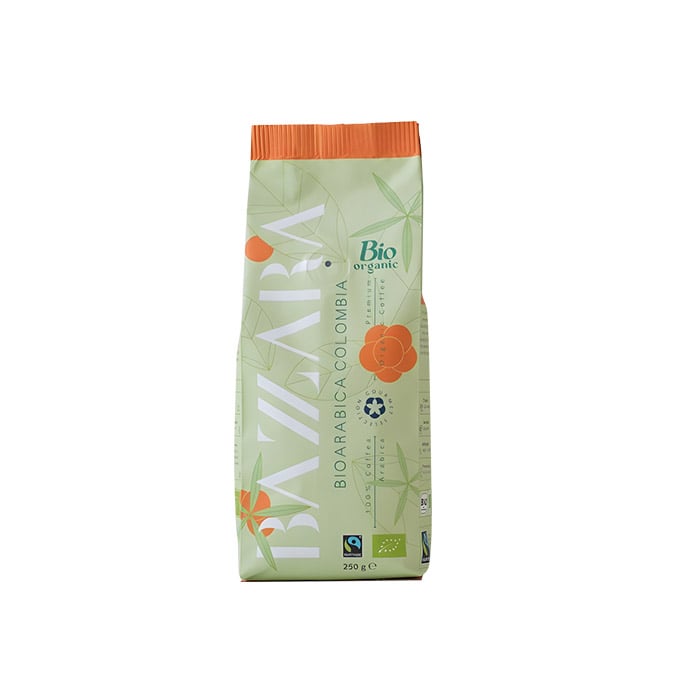
Gusseted Coffee Bag Bulk
Reliable structure for larger fill volumes without compromising freshness.
Side gussets expand outward to pack more whole beans or ground coffee.
Reduces number of bags per batch, supporting efficient production.
Expanded panels offer more space for branding and artwork.
Perfect for retail display or trade shows to highlight origin, tasting notes, and certifications.
FAQs
What material is used in making coffee pouches?
Sustainable bio-based material, lid foil, and a recyclable valve.
What kind of ink is used for printing coffee pouches?
Soy ink, safe for coffee and the environment.
Can a pouch valve increase coffee life?
Yes, it lets gases out while keeping air out.
Are coffee pouches recyclable?
Yes, especially when made from mono-materials and recyclable zippers.
Why is a zipper important on coffee pouches?
It allows multiple openings without losing coffee freshness.
Flexible Packaging Expert at BioPouches
Asad Manan has over 6 years of hands-on experience in flexible packaging at BioPouches. He specializes in beauty product, Coffee, Food-Snacks, and health products packaging solutions that protect sensitive formulas and extend shelf life. With strong content writing skills, he creates practical guides to help brands choose the right packaging for stability, hygiene, and sustainability.
Latest News