

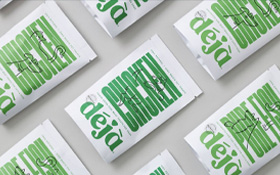

Why Flexible Food Packaging Is Replacing Rigid Packaging in the Food Industry
Flexible food packaging is replacing rigid packaging in the food industry because it is lighter, more cost-efficient, space-saving, and better aligned with modern sustainability and convenience demands. However, a lot of businesses are now adopting flexible options. These innovative food packaging solutions are more environmentally friendly, lighter, and simpler to use.
Food packaging that is flexible is more than just a fad. It is evolving into the new norm. We will discuss the reasons behind this change and its implications for the future in this blog.
Flexible Food Packaging: What Is It?
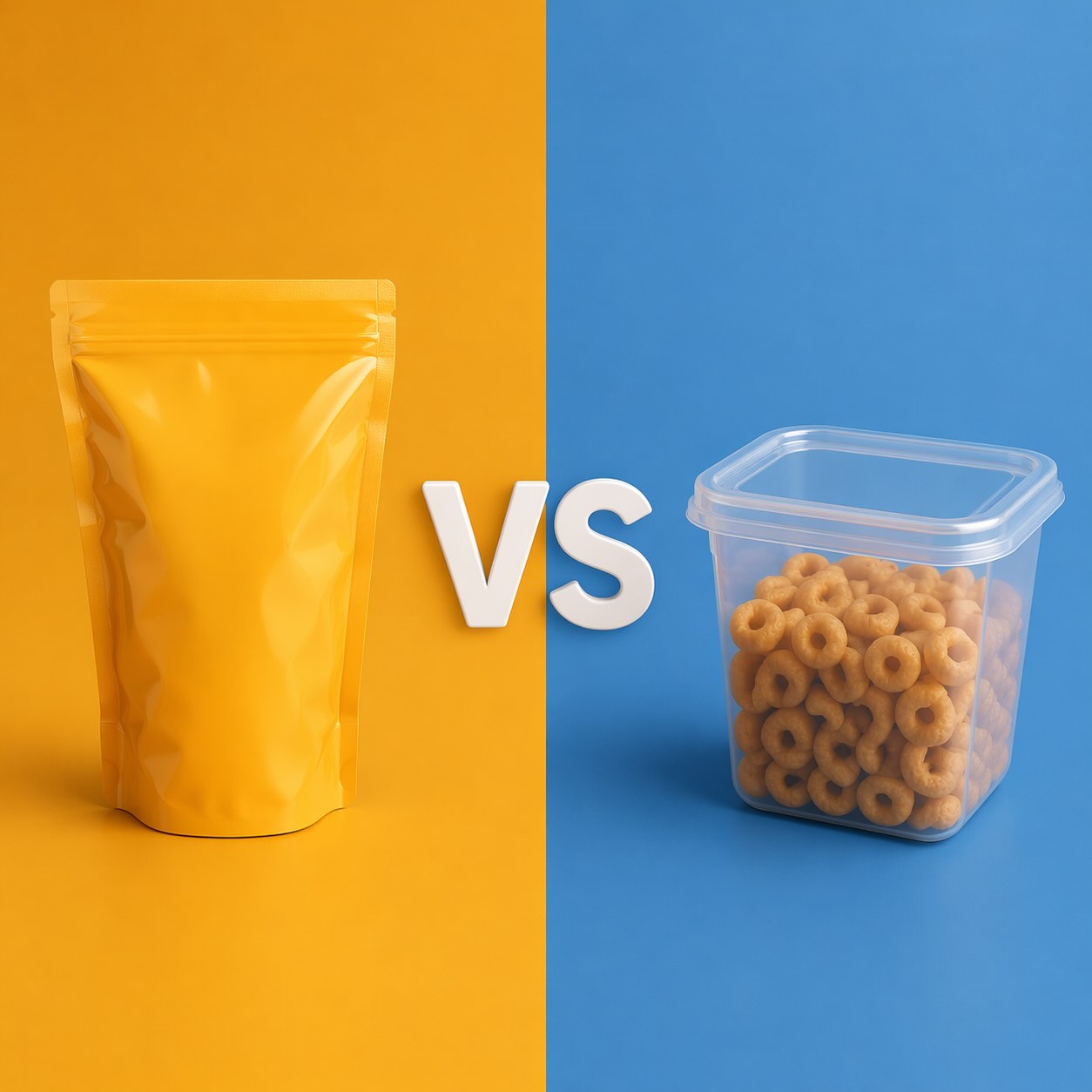
Soft materials are used in flexible food packaging. These consist of paper, foil, and plastic films. These materials are easily foldable and bendable. Wraps, sachets, and pouches are typical examples.
Conversely, rigid packaging maintains its shape. It is not pliable. Although it provides robust protection, it frequently requires more space and material.
Since flexible food packaging has more advantages in contemporary markets, many brands are now using it.
Reduced Weight and Simple Transportation
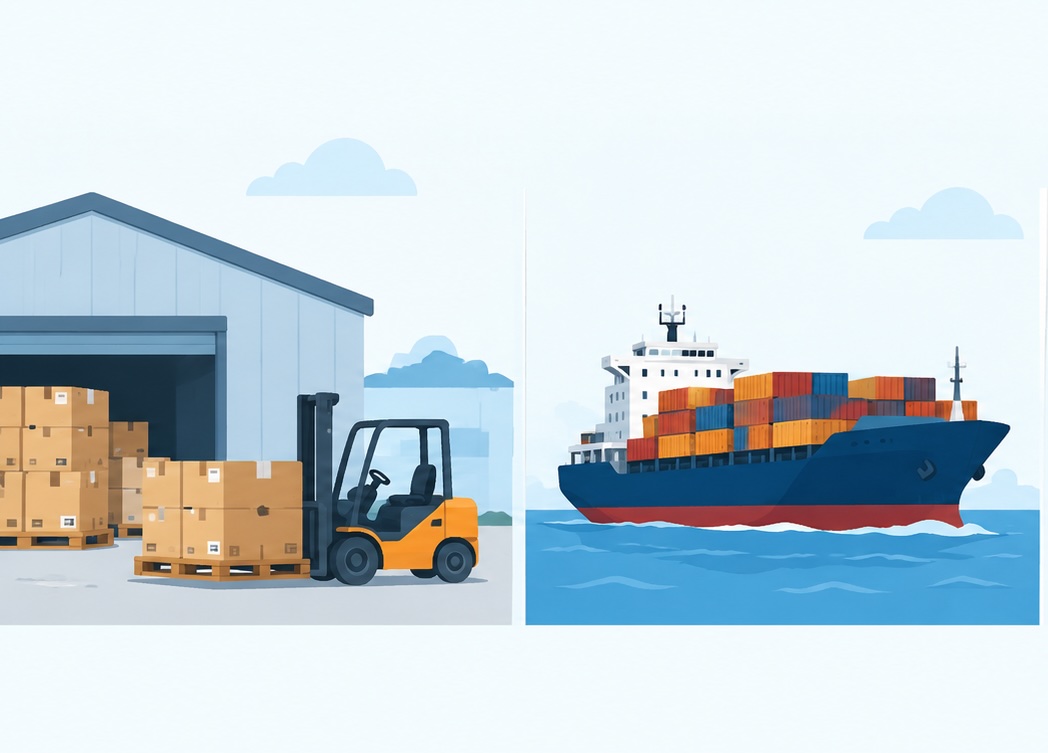
Weight is a major factor in the change. Compared to rigid packages, flexible ones are substantially lighter. They are therefore simpler to transport and ship.
Transport costs decrease with lighter packaging. Businesses are able to transport more goods in a single trip. This lowers carbon emissions and conserves fuel.
This trend explains the current surge in demand for lightweight food packaging. Businesses and the environment both benefit from it.
Improved Utilization of Space
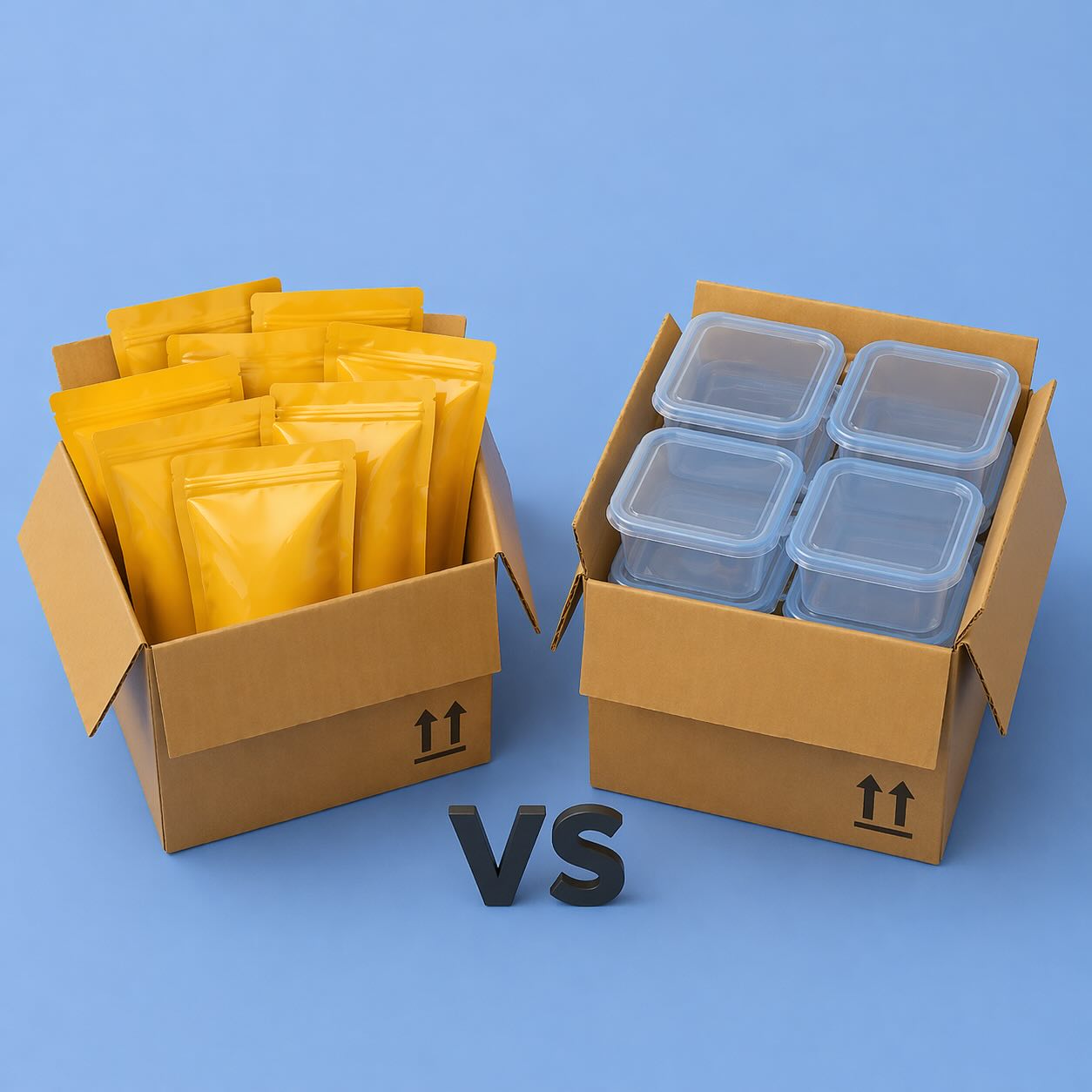
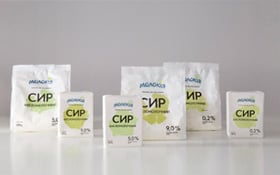
Packaging that is flexible requires less space. Before use, it can be folded up flat. It adapts to the product's shape even after filling.
Fixed space is required for rigid containers. They are unable to alter their form. This rigidity leads to wasted storage space in both stores and during shipping.
Businesses can store more goods in smaller spaces with flexible options. The supply chain becomes more efficient as a result.
Extended Food Shelf Life
Food safety is crucial. Flexible packaging keeps food fresher for longer.
Air, moisture, and light can be blocked by contemporary materials. These factors can quickly spoil food. Flexible packaging increases shelf life by managing them.
Special layers are even included in some packages. These layers offer defense against external contamination and bacteria. Food waste is decreased as a result.
Many businesses are moving to flexible packaging options that provide greater protection as a result of these advantages.
Savings for Companies
Producing flexible packaging is frequently less expensive. Compared to rigid packaging, it requires fewer raw materials.
Additionally, production uses less energy. This reduces the cost of manufacturing. Because of the reduced weight, transportation expenses also decrease.
These savings add up. Businesses can cut costs without sacrificing the quality of their output.
Flexible packaging is becoming more and more popular due in large part to these financial advantages.
😊 Simple for Customers to Use
Convenience is what customers desire. Flexible packaging offers numerous user-friendly features.
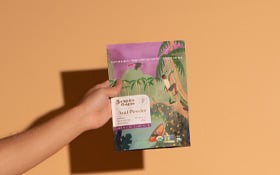
Resealable zippers are a common feature of packages. Quick-tear openings are present in some. Others work well in the freezer or microwave.
Everyday living is made simpler by these features. At home, people can improve food storage and cut down on waste.
The demand for contemporary packaging designs is being driven by this convenience.
Eco-Friendly Advantages
Nowadays, sustainability is a top priority. Packaging that is more environmentally friendly is what people want.
Overall, flexible packaging frequently uses less plastic. Additionally, it generates less waste during production.
Certain materials are biodegradable or recyclable. This lessens waste going to landfills.
Although not all flexible packaging is currently completely environmentally friendly, the sector is rapidly developing. Numerous businesses are investing in greener materials.
A major component of contemporary food packaging trends is this emphasis on sustainability.
Attractive Design and Branding
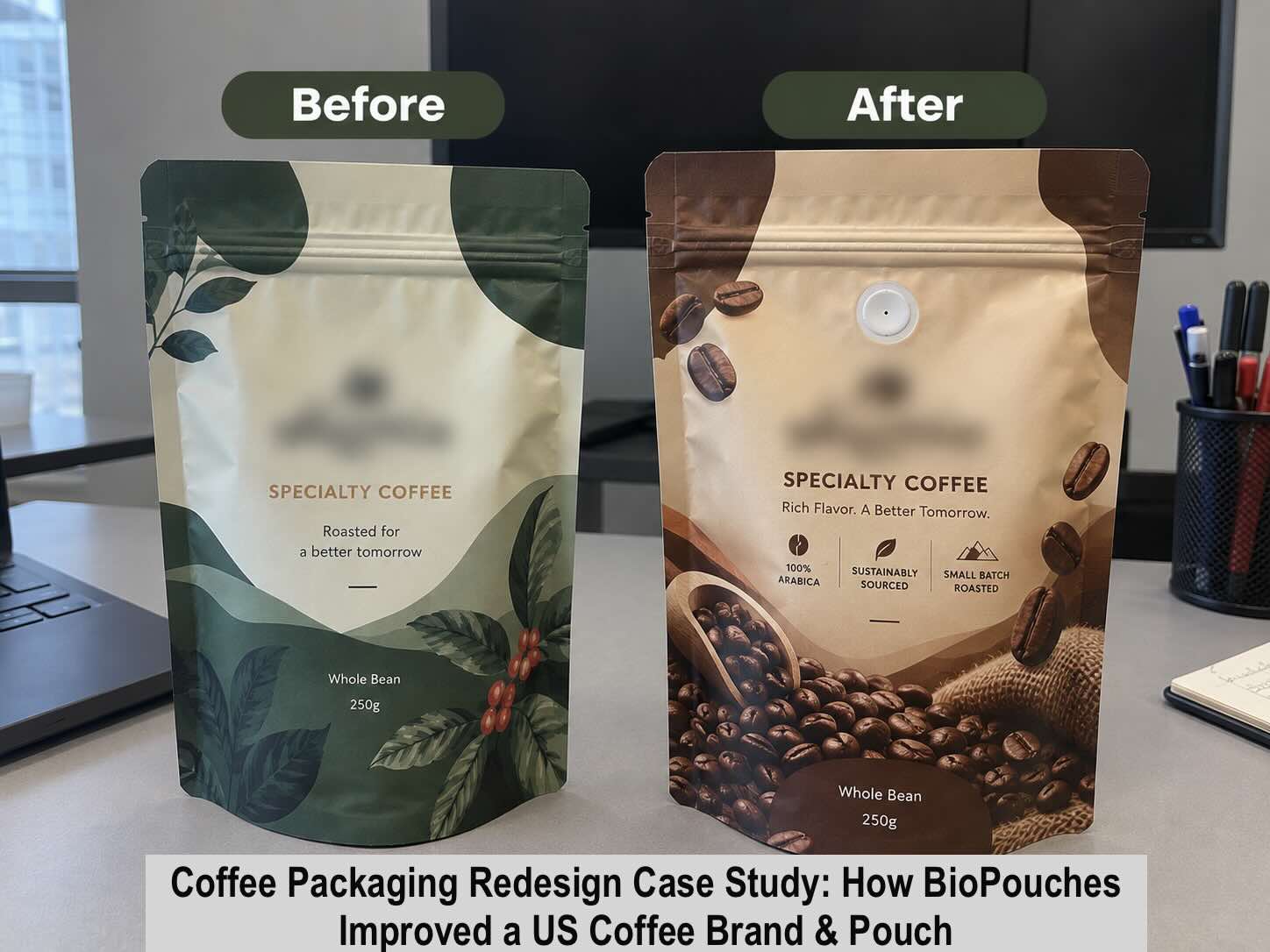
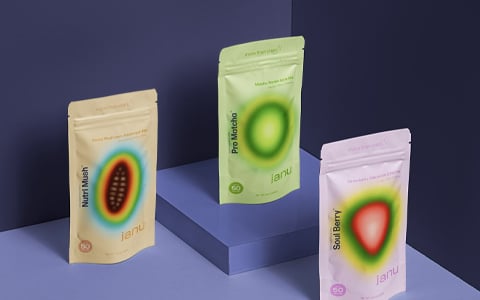
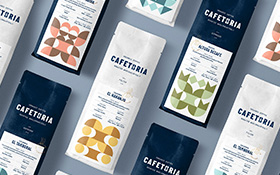
Another marketing tool is packaging. Creative designs are made possible by flexible packaging.
It provides additional printing space. Clear images and vivid colors can be used by brands. Products stand out on shelves as a result.
It is also possible to add transparent windows. Customers can view the product inside thanks to these.
Good design draws customers and fosters trust. For brands, flexible packaging facilitates the process.
Flexibility in Various Food Types
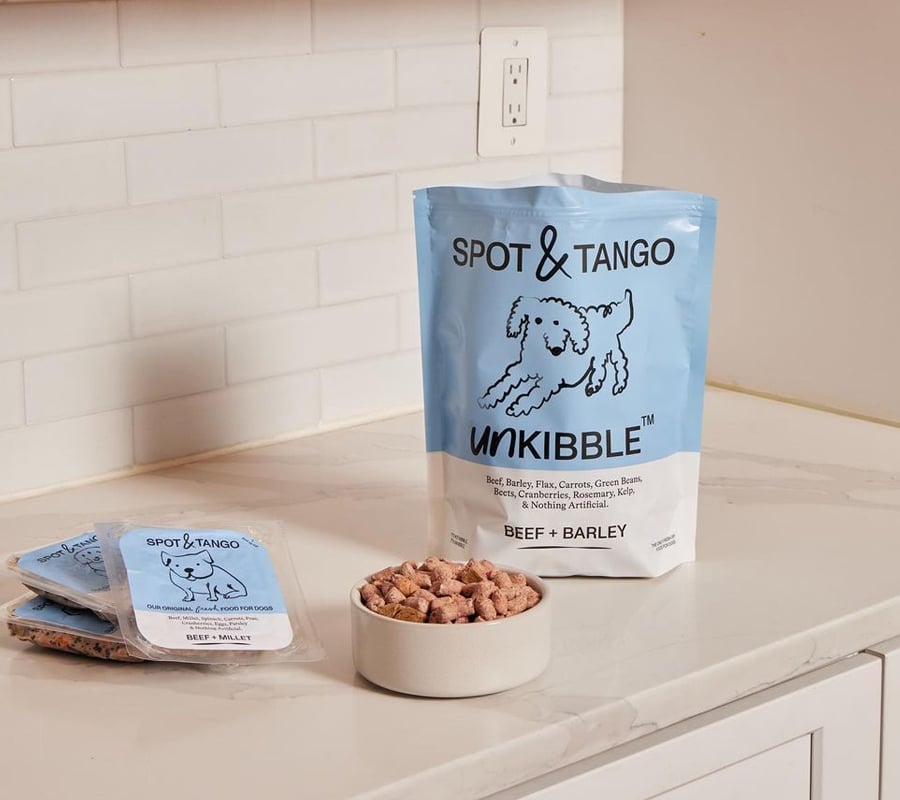
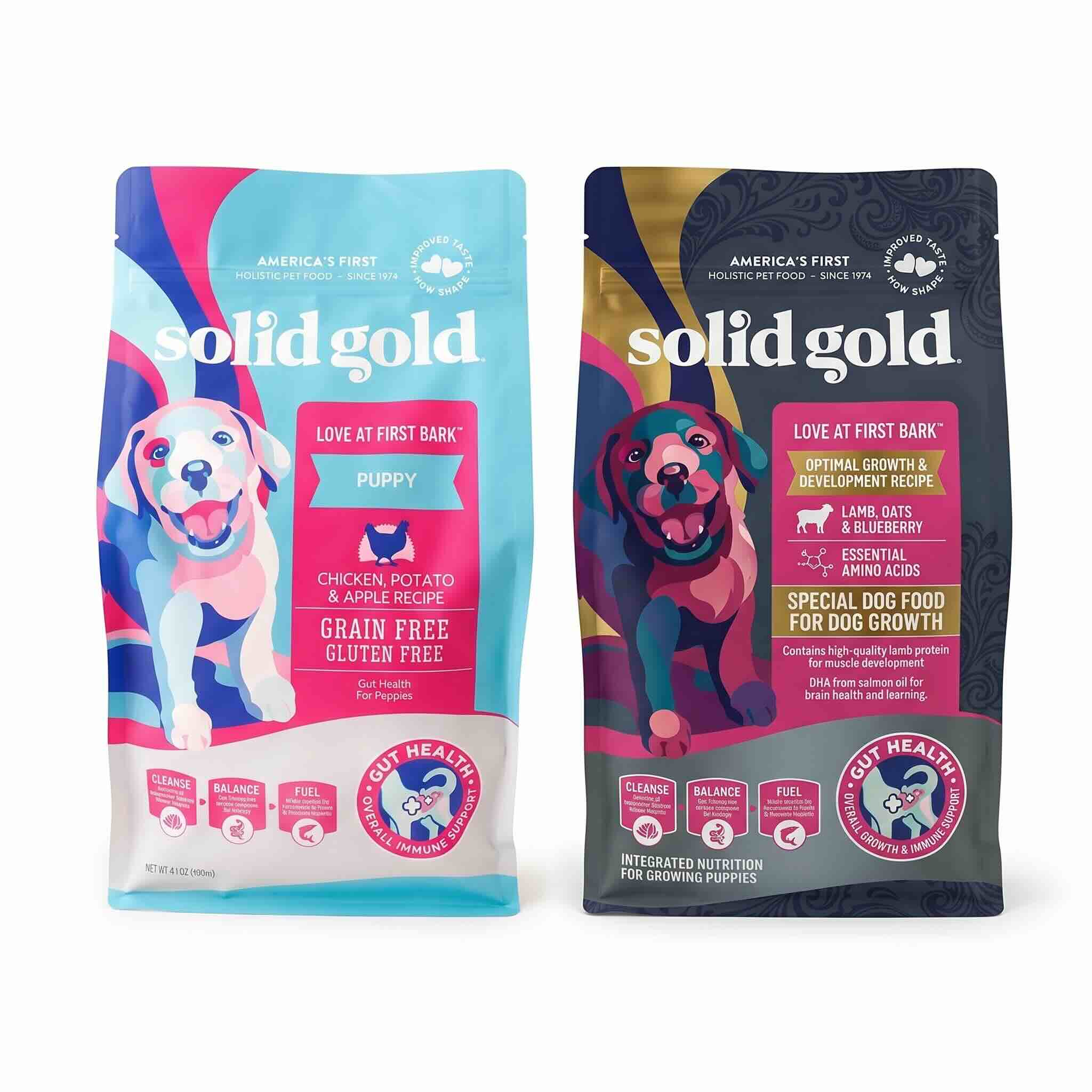
Flexible packaging is effective for various food types. Manufacturers use flexible packaging to create snacks, frozen meals, drinks, and even pet food.
It can be made to meet various requirements. For meat, for instance, vacuum-sealed pouches are utilized. Snack stand-up pouches are a popular choice.
It is a wise decision for food companies because of its adaptability.
Packaging needs to change as new food products hit the market. These evolving needs can be satisfied by adaptable solutions.
Encouraging the Growth of E-Commerce
Online commerce is expanding rapidly. Additionally, food delivery businesses are growing.
This trend is a fantastic fit for flexible packaging. It is strong and unlikely to break in transit.
Glass and other rigid packaging can break or crack. This risk is decreased by flexible materials.
They are therefore perfect for e-commerce companies. It guarantees the safe delivery of goods to consumers.
Food Packaging Solutions of the Future
Flexible packaging will continue to gain popularity. Technology is advancing quickly. Every year, new materials are created.
Additionally, smart packaging is becoming more popular. Certain packaging has the ability to monitor temperature or display freshness levels.
The quality and safety of food will be significantly enhanced by these improvements.
FAQs
1. What distinguishes rigid packaging from flexible packaging?
Packaging that is flexible may bend and change its shape. Rigid packaging is typically tougher and maintains its shape.
2. Is food safe in flexible packaging?
Indeed, it is intended to safeguard food. Strong barriers against moisture and air are provided by many varieties.
3. What makes flexible packaging more environmentally friendly?
It consumes less energy and materials. Both trash and carbon emissions are decreased as a result.
4. Is it possible to recycle flexible packaging?
Certain kinds are recyclable. Additionally, new materials are being created to increase recyclability.
5. Why are businesses moving to flexible packaging?
They aim to reduce expenses, increase productivity, and satisfy consumer demands for sustainability and convenience.
Flexible Packaging Expert at BioPouches
Asad Manan has over 6 years of hands-on experience in flexible packaging at BioPouches. He specializes in beauty product, Coffee, Food-Snacks, and health products packaging solutions that protect sensitive formulas and extend shelf life. With strong content writing skills, he creates practical guides to help brands choose the right packaging for stability, hygiene, and sustainability.
Latest News