



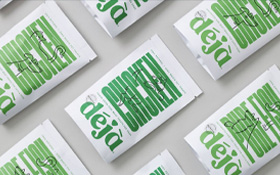

Flat Bottom Fish & Turtle Food Packaging


Flat Bottom Fish & Turtle Food Packaging – Specifications
| Brand | BIOPOUCHES |
| Structure | Flat bottom pouch with side panels |
| Materials | PCR-containing film and custom barrier film options |
| Thickness | Custom, based on material and product requirements |
| Sizes | Custom width × height × bottom depth |
| Printing | Digital or gravure; custom colors and artwork |
| Finishes | Matte or gloss, subject to material compatibility |
| Closure | Resealable zipper and heat-sealable top |
| Applications | Fish flakes, pellets, turtle food and other dry aquatic pet food |
| Quality Checks | Dimensions, bottom folds, seals, printing and zipper function |
| Production | Shanghai |
| Offices | Shanghai · Canada · Indonesia |
| Customization | Size, material, artwork, colors, finishes and closure |
Final dimensions, material specifications and filling capacity are confirmed through technical review and sample approval.
Flat Bottom Fish & Turtle Food Packaging with Resealable Zipper
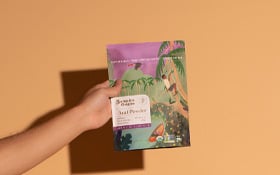
This is a flat bottom pouch with a resealable zipper, made for dry fish flakes, pellets, turtle food and other suitable dry aquatic pet food. Size, printing and design are customized to your product. The film contains PCR material, and the final structure is chosen for the food it will hold.
Built Around How Fish and Turtle Food Is Used
Fish food is opened often and used a pinch at a time. Every opening lets in room air, so the zipper matters more here than on a pack that is emptied in one go. Closing it after feeding limits moisture exposure during storage. It does not stop all moisture, and it does not guarantee freshness.
Flakes are light and spill easily, and small pellets roll. A pouch that stands on its own flat base is easier to pour from and keeps the contents in one place on a shelf or next to a tank. The front and side panels give space for branding, feeding directions and product details. Sizes can be set for small retail packs or larger quantities.
Material and Barrier Selection
PCR means post-consumer recycled material. Using it adds recycled content to the pouch, but it does not make the finished pouch recyclable. That depends on the complete structure and on local recycling facilities. Not every PCR structure suits every food-contact application either, so suitability is confirmed for the final structure and intended use. Our PCR packaging page explains the option in more detail.
Barrier needs depend on the product. Dry flakes and pellets pick up moisture, and formulas that contain oils make oxygen exposure worth considering. The guide on choosing the right food packaging covers how to match material to product.
How the Pouch Is Made and Checked
Production is in Shanghai. Printing registration decides whether small text and feeding directions stay sharp. Lamination is used where the chosen structure needs it. The bottom folds have to be accurate, or the filled pouch leans, and the corner seals need care because several film layers meet there.
Production follows SOPs so each step is repeated the same way. For this pouch the checks that matter most are seal integrity, pouch dimensions, bottom-fold construction, zipper function and printed-film quality. The lab has tensile, heat-seal, leak and coefficient-of-friction testing equipment, used according to the material and specification. Not every pouch goes through every test. You can see the equipment in our factory photographs.
For a quotation, send your product type, fill weight, artwork and quantity through our contact page.
The Packaging You May Like


Have a Question?

With BIOPOUCHES