

How to Recycle Bubble Packaging: A Factory Visit
Yes, bubble packaging can be recycled. It's made from low-density polyethylene (LDPE), the same type of plastic used in many other soft plastic films, and once it's clean and separated from other waste, it can be melted down and reformed into new packaging material. I got to see this whole process up close, my uncle owns a recycling factory that processes bubble wrap alongside other plastics, and it's a lot more involved than just "melt it and reuse it."
TL;DR
Bubble wrap is LDPE plastic, it's recyclable, but not through most curbside bins.
It goes through collection, sorting at a material recovery facility (MRF), cleaning, melting, and reforming into new plastic.
Contaminated bubble wrap, tape, labels, food residue, is harder to recycle, so remove those first.
Recycled LDPE from bubble wrap can become new packaging, including recyclable stand-up and flat pouches.
Reusing bubble wrap at home before recycling it is still the better first option when possible.
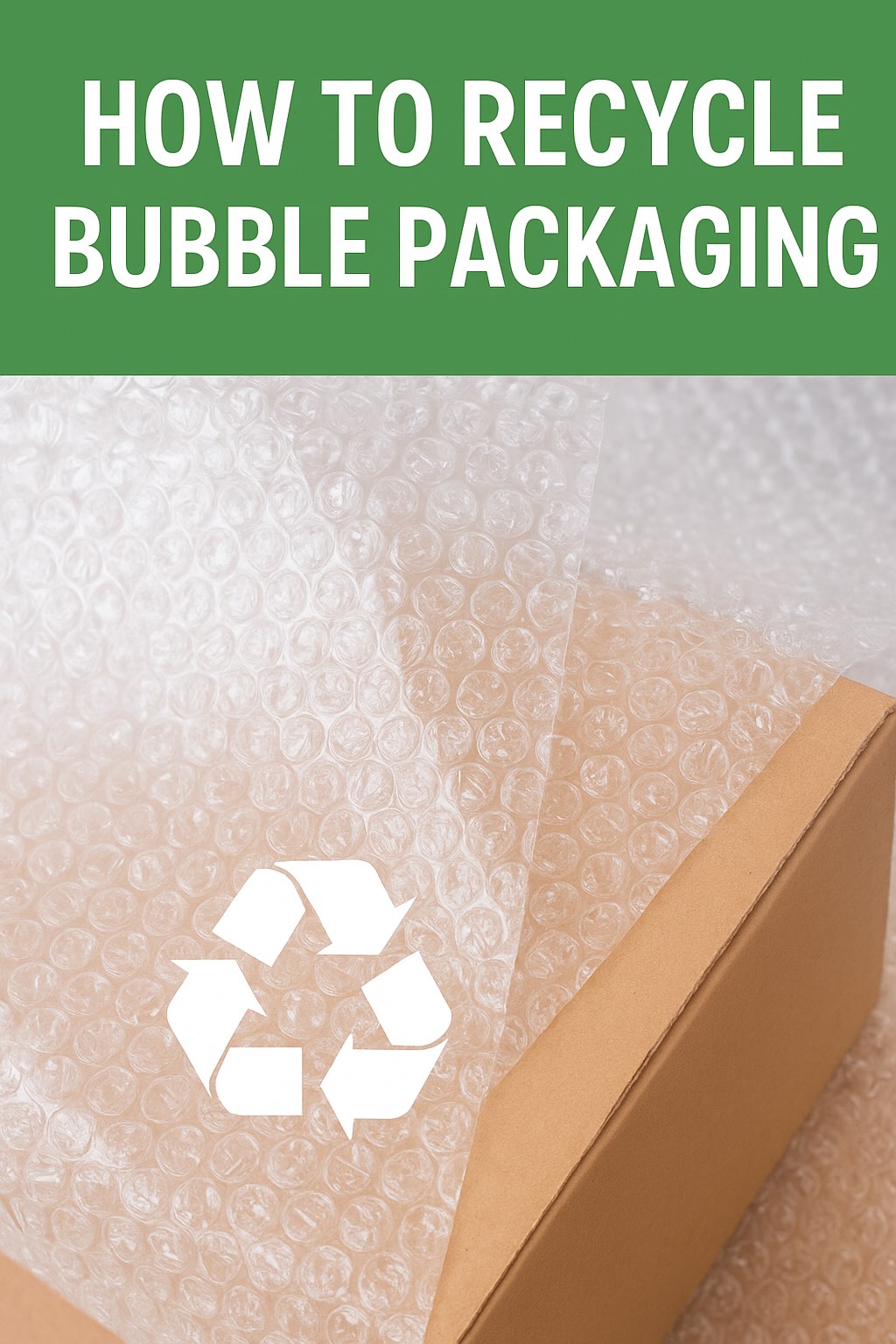
Bubble packaging, often called bubble wrap, has become a common part of our lives. From protecting electronics to fragile household items during shipping, this lightweight plastic with its air-filled pockets plays a crucial role in keeping products safe.
You'll find it in parcels from online shopping, in packaging for glassware, electronics, and even delicate food items. Despite its usefulness, bubble packaging can create environmental challenges if not disposed of properly. Many people wonder: can we recycle bubble packaging? The answer is yes, and doing so is surprisingly important for reducing plastic waste and conserving resources.
I've had the chance to see the recycling process up close because my uncle owns a recycling factory. He recycles bubble wrap along with other plastic materials, and watching the process made me realize just how much effort goes into turning what seems like waste back into useful materials.
Why Recycling Bubble Packaging Matters
Bubble packaging is typically made from low-density polyethylene, or LDPE. This type of plastic can take hundreds of years to decompose in landfills. Recycling it prevents unnecessary plastic from polluting the environment, reduces the demand for new plastic production, and helps conserve energy.
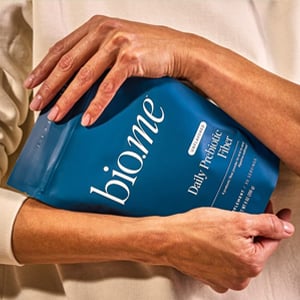
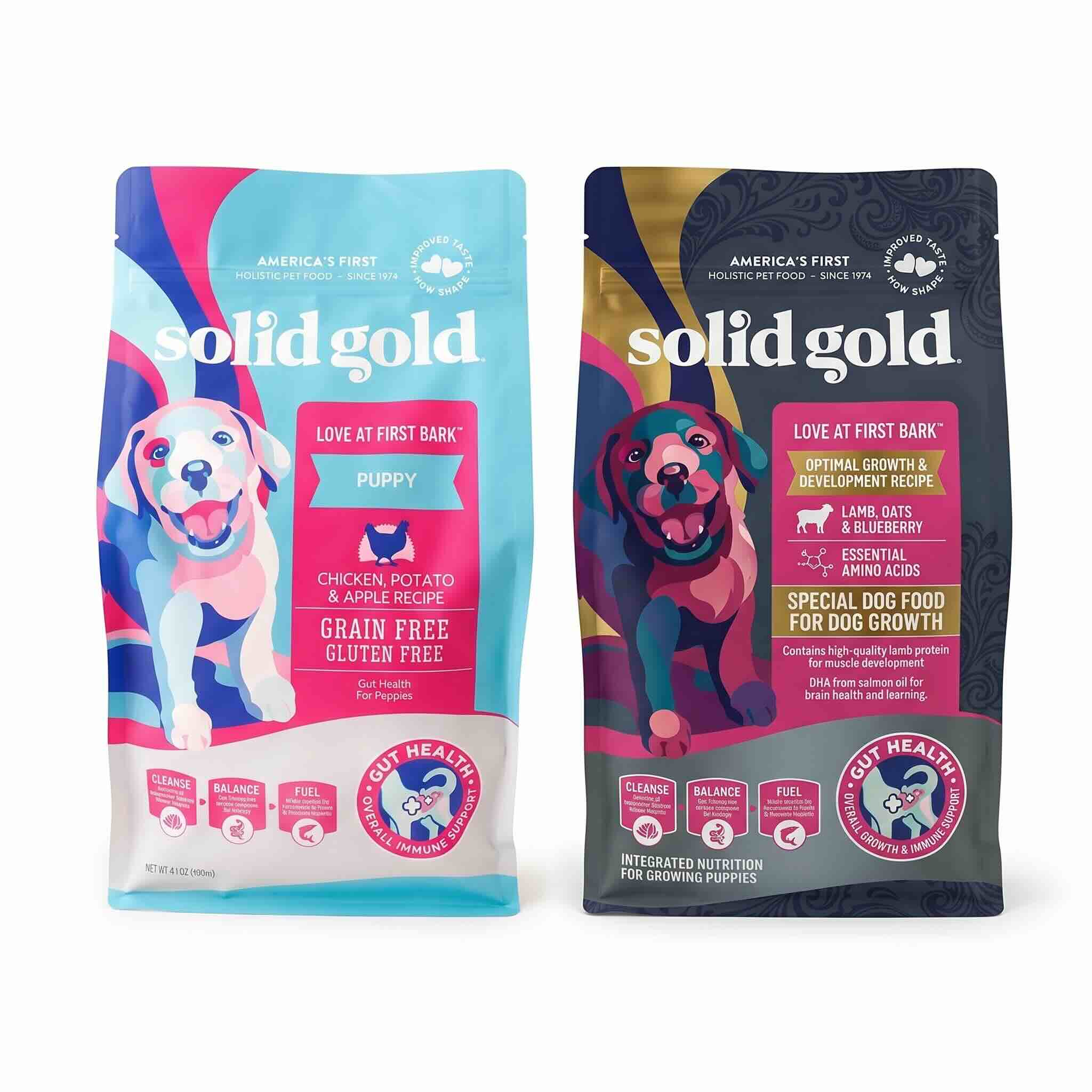
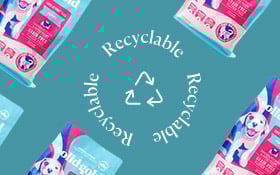
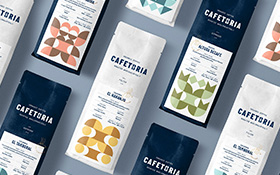
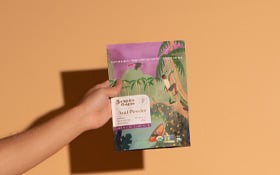
By recycling, we ensure that the bubble packaging can be transformed into new packaging materials, such as Recyclable Stand-Up Pouches or Recyclable Flat Pouches, which can be used to package food, coffee, or other products safely and sustainably.
Step-by-Step Process of Recycling Bubble Packaging
1. Collection from Consumers
The recycling journey starts when consumers finish using their bubble packaging. After unboxing their items, the bubble wrap is thrown into recycling bins or collected separately from other household waste. Proper disposal is essential because contaminated plastics, like those mixed with food or tape, can complicate recycling.
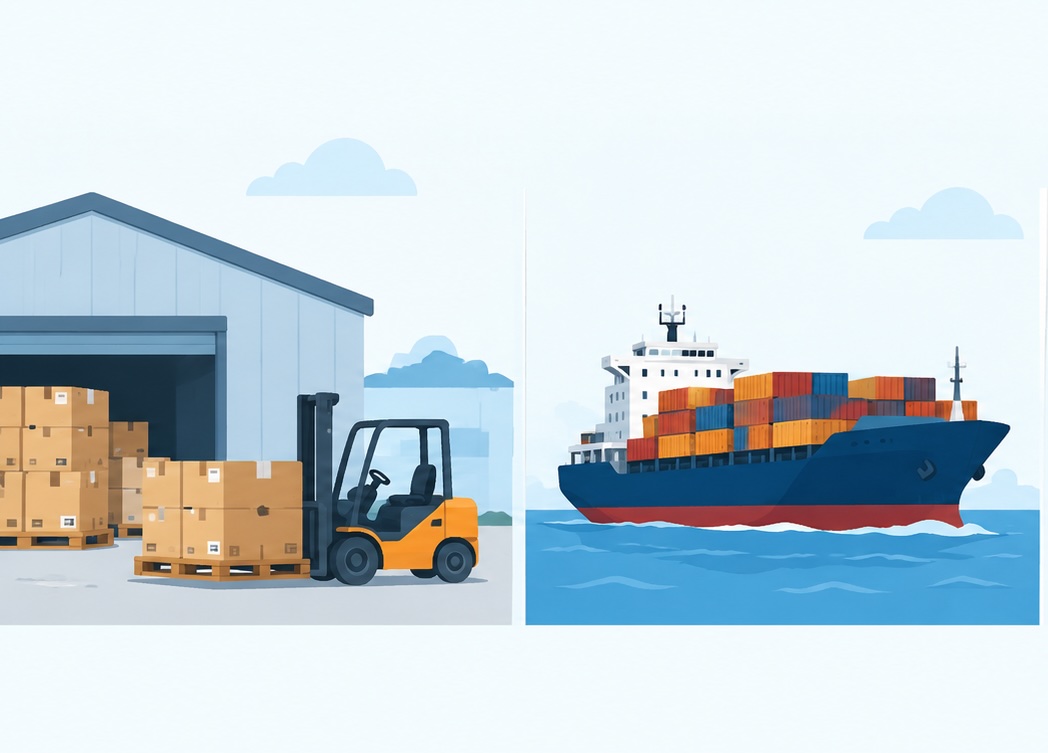
2. Transport to Sorting Facilities
Once collected, the bubble packaging is transported to a recycling center or a material recovery facility (often called an MRF). This is the place outside cities where different types of waste are sorted. At these facilities, materials such as paper, metals, and plastics are separated. Bubble packaging is usually easy to identify because it's lightweight, mostly transparent, and colorless, making it simpler to separate from other plastic waste.
3. Sorting and Cleaning
At the sorting facility, the bubble wrap is sorted from other plastics and contaminants. Because bubble wrap is clear, it's less likely to have dyes or colors that could affect the recycling process, unlike colored or mixed plastics. After sorting, it's bundled and sold to dealers who specialize in plastic reselling.
4. Transportation to Recycling Factories
The dealers then transport the bubble packaging to recycling factories, such as my uncle's factory, where the material is processed further. Here, the bubble wrap is cleaned thoroughly to remove any remaining dirt, labels, or adhesives. Clean material is essential to produce high-quality recycled plastic.
5. Melting and Reprocessing
Once cleaned, the bubble wrap is dried and fed into a melting or molding machine. The plastic is heated until it melts, turning it into a malleable form that can be reshaped. This step allows the factory to produce new plastic sheets or rolls from the recycled material.
6. Creating New Bubble Packaging
After melting, the plastic may go into specialized machines that recreate bubble wrap or produce other products, like sheets for protective packaging. Depending on the demand, the factory can make bubble packaging with different bubble sizes or even form it into new packaging solutions for businesses.
7. Quality Check and Distribution
Before leaving the factory, the recycled plastic undergoes quality checks to ensure durability, flexibility, and safety for use. Once it passes, the recycled material is packaged and shipped to manufacturers or packaging companies, ready to be turned into new protective wraps or other packaging solutions.
Additional Info About Recycling Bubble Packaging
While recycling is straightforward, it's important for consumers to remember a few things:
Always remove tape, labels, and adhesives from bubble wrap before recycling.
Keep it dry and clean. Wet or contaminated plastics are harder to recycle.
Consider reusing bubble wrap when possible. It can serve multiple purposes at home before entering the recycling stream.
A note on where this recycles: bubble wrap and other soft LDPE film generally cannot go in most curbside recycling bins, it needs a drop-off point or a facility set up for plastic film specifically. Check local collection options (many grocery stores in the US collect plastic film) before assuming your regular bin accepts it.
Visiting the recycling factory personally gave me a real sense of how much labor and technology go into turning waste back into usable materials. It's fascinating to see bubble wrap, something many people think of as disposable, become a part of a sustainable cycle that can protect other products and even reduce the need for new plastic production.
At the End
Recycling bubble packaging is not only possible but essential for sustainable living. By understanding the journey, from consumer disposal to sorting, cleaning, melting, and forming new products, we can appreciate the effort behind every piece of recycled plastic. Next time you unbox a package, remember that the bubble wrap can have a second life as eco-friendly packaging, like Recyclable Stand-Up Pouches or Recyclable Flat Pouches, helping businesses and consumers reduce waste while protecting the planet.
FAQs
Can we recycle bubble packaging?
Yes, bubble packaging can be recycled. It is made from LDPE plastic, which can be cleaned, melted, and transformed into new packaging products like Recyclable Stand-Up Pouches and Recyclable Flat Pouches.
Why is it important to recycle bubble wrap?
Recycling prevents plastic waste from polluting the environment, reduces the need for new plastic production, and helps conserve energy and resources.
How is bubble wrap collected and sorted for recycling?
Consumers dispose of bubble wrap in recycling bins, which is then transported to material recovery facilities where plastics are separated by type and color.
What happens to bubble wrap at the recycling factory?
After collection, it is cleaned, dried, and melted. The molten plastic is reprocessed into new products, including sheets, rolls, and packaging solutions.
Can recycled bubble wrap be used for new packaging?
Yes, recycled bubble wrap can be made into new protective materials or other packaging products, providing an eco-friendly alternative to virgin plastics.
Flexible Packaging Expert at BioPouches
Asad Manan has over 6 years of hands-on experience in flexible packaging at BioPouches. He specializes in beauty product, Coffee, Food-Snacks, and health products packaging solutions that protect sensitive formulas and extend shelf life. With strong content writing skills, he creates practical guides to help brands choose the right packaging for stability, hygiene, and sustainability.
Latest News