


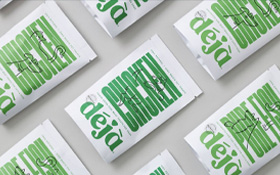

Design Pouch and Packaging Using AI-Assisted Customization
Designing pouch packaging today is no longer just about choosing a bag and putting a label on it. Brands are operating in a market where packaging influences trust, shelf appeal, sustainability perception, and even repeat purchases. This is where AI-assisted customization is quietly changing how businesses approach packaging design—by reducing guesswork and helping brands make smarter decisions early in the process.
Instead of relying purely on assumptions or outdated packaging styles, companies now use guided systems that factor in product type, weight, material requirements, and industry standards. Many of these systems work behind the scenes, helping users narrow down options that actually make sense for their product rather than overwhelming them with endless choices.
When brands explore custom pouch design options through an AI-assistance, they’re often surprised by how many variables affect the final outcome—far more than just size and shape.
Key Things to Keep in Mind When Designing Pouches
Even experienced brands make avoidable mistakes when designing packaging. These issues often don’t show up until the product reaches shelves or customers.
Common packaging mistakes companies still make
Outdated or non-trending designs
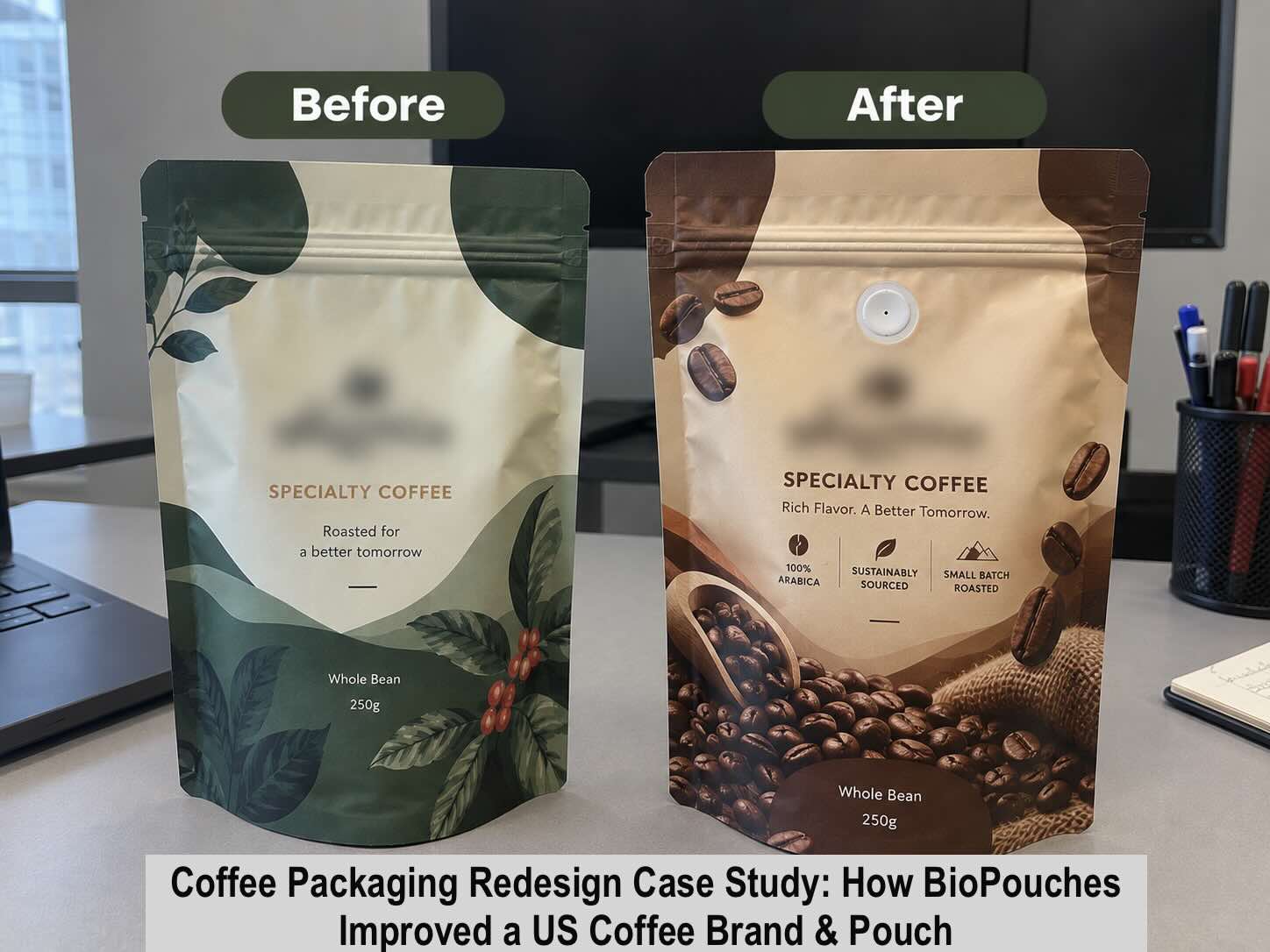
Packaging trends evolve quickly. A pouch that looked modern five years ago may now feel generic or low-effort. This can quietly reduce shelf impact, especially in competitive categories like coffee, snacks, or wellness products.Using overly traditional materials
Many brands still default to conventional plastic without considering newer options. With hundreds of pouch material structures available—ranging from single-layer to complex multi-layer laminations—the wrong choice can affect freshness, durability, and brand perception.Packaging that doesn’t reflect brand value
When packaging looks cheap or poorly finished, it directly affects how consumers judge the product inside. Even high-quality products can struggle if the pouch doesn’t communicate care, quality, or sustainability.Ignoring product-specific needs
Weight, shelf life, and filling method matter. A solution that works for one product category may fail in another. This is why guided design tools and expert input are increasingly important.
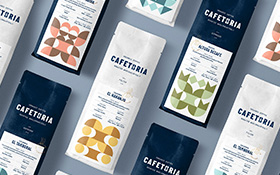
Because pouch materials, finishes, and structures vary so widely, many businesses find it helpful to review proven formats first. For example, a Flat Bottom Coffee Pouch is often selected when shelf presence and premium presentation matter, while a Gusseted Coffee Bag may be more suitable for higher volumes or bulk retail environments where stability and capacity are priorities.
Both formats look simple on the surface, but the internal layers, sealing methods, and material choices differ significantly depending on the product inside.
This is where AI-assisted customization adds real value. By narrowing choices based on industry, product weight, and material goals, brands avoid trial-and-error and reduce the risk of costly redesigns later.
For companies unsure about materials, finishes, or long-term performance, discussing options with professionals before finalizing a design often leads to better outcomes—especially when sustainability, shelf appeal, and brand reputation are all at stake.
FAQs
1: What does AI-assisted pouch design mean?
AI-assisted pouch design uses guided tools to help brands select pouch type, material, size, and features based on product needs and industry use.
2: Can AI help choose the right packaging material?
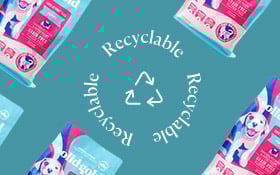
Yes. AI-assisted systems narrow down compostable, recyclable, or recycled materials based on product type, weight, and shelf-life requirements.
3: Is AI packaging design suitable for small businesses?
Absolutely. It reduces trial-and-error and helps small brands design professional packaging without extensive technical knowledge.
4: What pouch types can be designed using AI tools?
Common options include stand-up pouches, flat bottom pouches, gusseted pouches, spouted pouches, flat pouches, and roll stock films.
5: Does AI replace packaging experts?
No. AI supports decision-making, but expert guidance is still important for material layers, barrier properties, and long-term performance.
Flexible Packaging Expert at BioPouches
Asad Manan has over 6 years of hands-on experience in flexible packaging at BioPouches. He specializes in beauty product, Coffee, Food-Snacks, and health products packaging solutions that protect sensitive formulas and extend shelf life. With strong content writing skills, he creates practical guides to help brands choose the right packaging for stability, hygiene, and sustainability.
Latest News