

If you sell coffee, you already know packaging matters. It keeps the beans fresh, protects the flavor, and shows customers what your brand stands for.
A few years ago, I helped a small roastery switch from traditional plastic-lined bags to biodegradable options. We were nervous. Would freshness suffer? Would customers complain? Would the bags hold up during shipping?
Turns out, when you choose the right setup, eco-friendly coffee packaging works just as well — and sometimes even better.
Let’s break down what really matters.
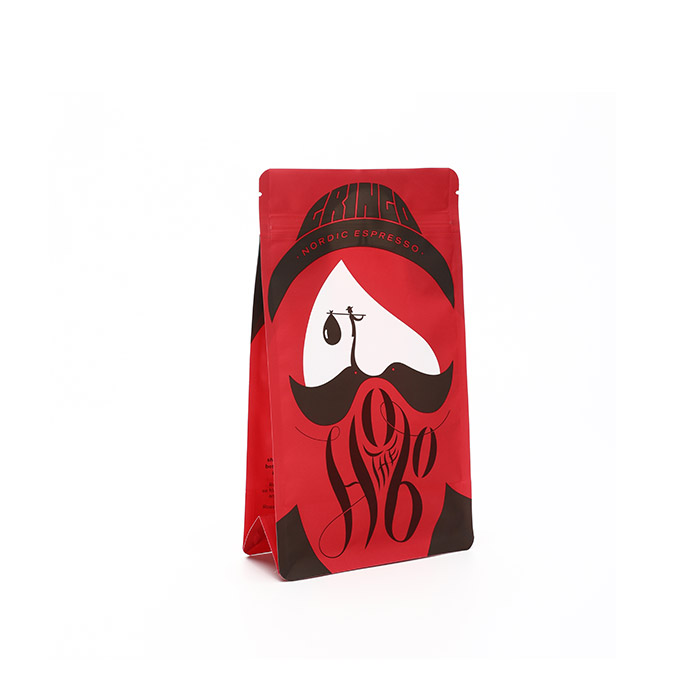
Sustainable Coffee Packaging
BIOPOUCHES
Material: Certified compostable rice paper
Thickness: 110–170 microns
Type: Stand-up pouch, flat bottom
Surface Printing: Soy-based ink
Closure Type: Tear notch + resealable zipper
Custom Orders: Accepted
Usage: Coffee packaging (100g–3.5kg)
Material Structure
This certified rice paper-made sustainable coffee pouch comes with UV protection. The barrier layer is plant-based, replacing aluminum foil while still blocking oxygen and moisture just as effectively. It helps increase shelf life by up to 20%. Even the zipper is compostable and breaks down at the same pace as the pouch itself.
Compostability of the Pouch
BIOPOUCHES pouches are made from natural, cornstarch-based films that fully decompose without leaving residue. In home compost, they break down within a year when buried in soil. In industrial composting, they turn into nutrient-rich biomass in under two months. From zipper to valve, every part of the bag shares the same compostable properties for a complete circular solution.
Why Biodegradable Coffee Bags Make Sense
Most traditional coffee bags are mixed-material plastics. They’re hard to recycle and often end up in landfills. That never sat right with us.
Biodegradable bags, especially those made from plant based material, are designed to break down naturally. Many options today are 95% degradable, which means most of the packaging returns to nature instead of sitting around for decades.
When properly composted, the soil is not harmful after decomposed. That was one of my first questions when testing samples. If it breaks down, what’s left behind? Good suppliers make sure there’s no toxic residue.
You also get less or no waste production and a lower carbon footprint. Customers notice this. We saw people comment on the packaging almost as much as the roast profile.
Industrial Compostable vs Home Compostable
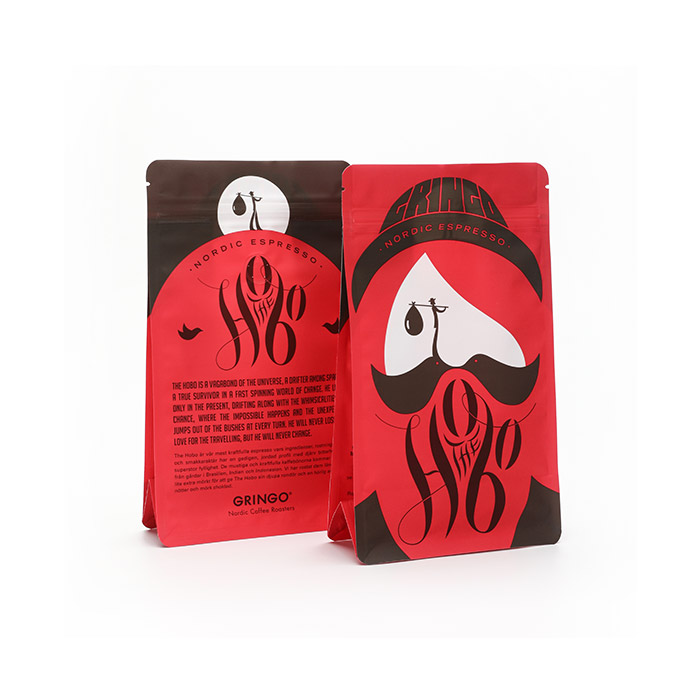
Not all compostable packaging works the same way.
Industrial compostable bags need higher heat and controlled facilities. They break down faster in commercial compost systems.
Home compostable bags can break down in a backyard compost setup. It takes longer, but customers don’t need special facilities.
When we tested both, industrial compostable options gave slightly stronger barrier protection. But home compostable bags were easier to explain to customers. It really depends on your market.
Barrier Protection: Freshness Comes First
Coffee is sensitive. Oxygen, moisture, and light will ruin it fast. That’s where barrier protection matters.
Plant based materials have improved a lot. Good mono material structures now offer strong oxygen and moisture barriers while still being compostable.
When we ran side-by-side storage tests, properly sealed biodegradable bags held freshness nearly as well as standard multi-layer plastic. The trick is choosing the right thickness and seal.
If you’re unsure what to look for, this guide on how to choose the right food packaging for your product explains common mistakes brands make and how to avoid them.
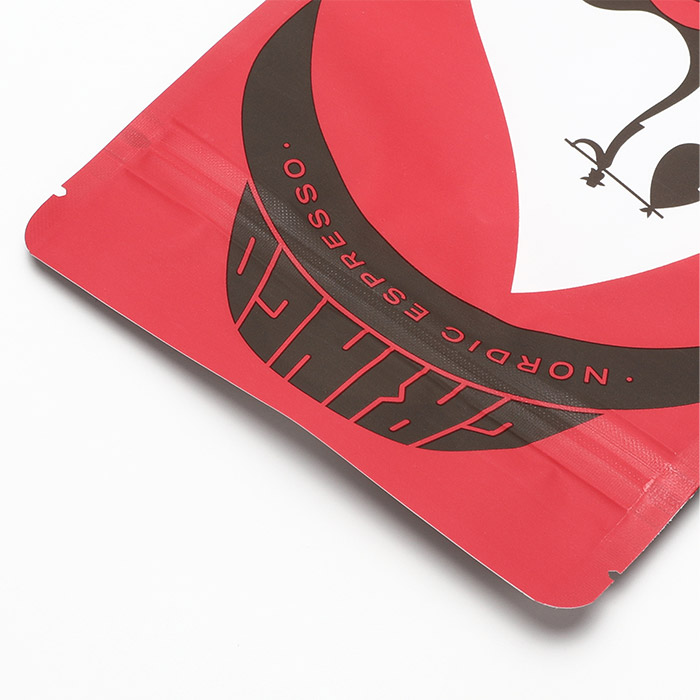
Don’t Skip Degassing Valves
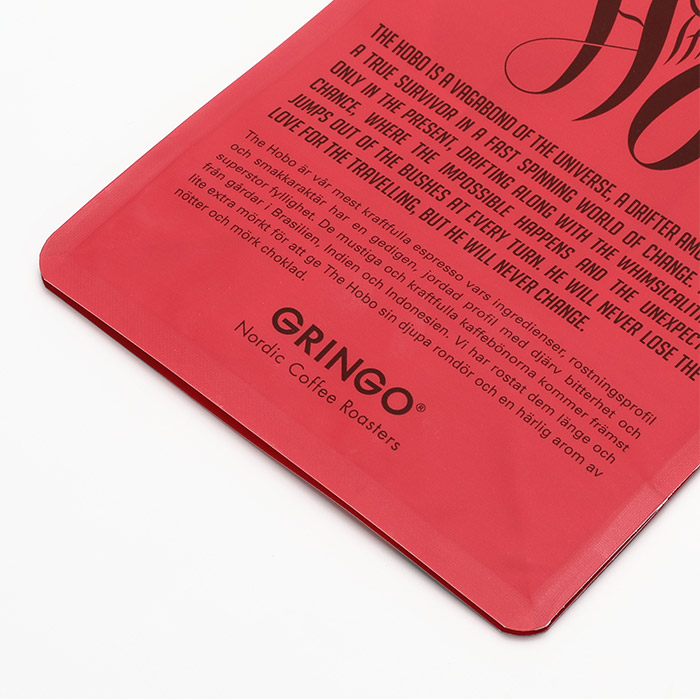
Freshly roasted coffee releases CO₂. If you seal it completely without a valve, the bag can puff up or even burst.
Degassing valves let gas escape while keeping oxygen out. Good eco-friendly bags include compostable valves that match the sustainability of the rest of the pouch.
If you're looking at flat bottom styles, the compostable coffee flat bag is a solid example of combining barrier protection and degassing in one clean design.
We tested flat bags from 250g up to 1kg. They stacked better on shelves and looked clean without trying too hard.
Size Range: From 50g to 3kg
You can get biodegradable bags ranging from 50g sample sizes all the way up to 3kg bulk formats.
For smaller retail packs, stand-up pouches with resealable zippers worked best for us. For 1kg and above, flat bottom bags handled weight better and kept shelves tidy.
If your customers travel or sell subscription boxes, packaging weight and durability matter even more. This article on best coffee packaging pouches for travel shares practical insights about what holds up during shipping.
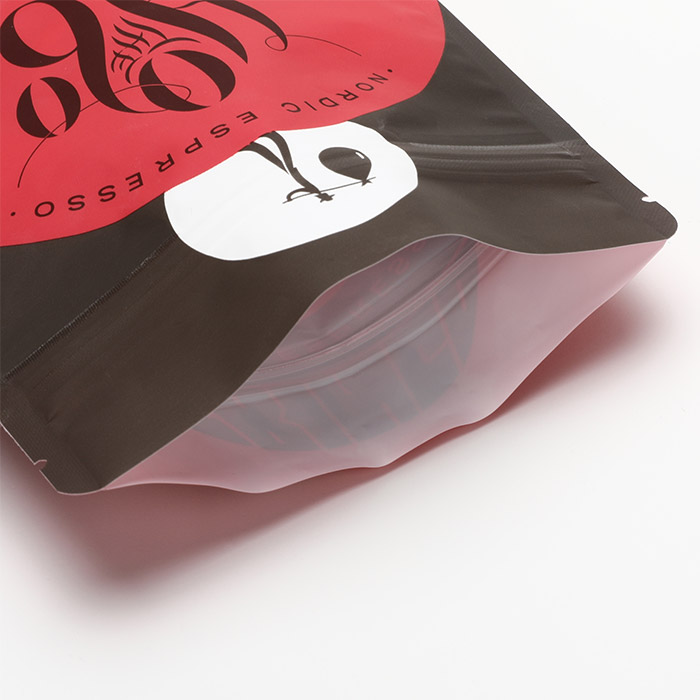
Mono Material and Lower Carbon Footprint
Mono material means the pouch is made mostly from a single material type instead of multiple layers that are hard to separate. This improves compostability and reduces contamination during breakdown.
Most biodegradable coffee packaging today uses plant based material derived from renewable resources. Compared to petroleum plastics, these materials usually come with a lower carbon footprint.
Is it perfect? No. But when combined with proper composting and reduced waste, the total impact is much lower.
After testing different options, here’s what I’d look for: at least 95% degradable structure, certified compostable material, strong barrier protection, compostable degassing valve, size options from 50g to 3kg, and mono material construction.
Eco-friendly coffee packaging isn’t just about looking green. It has to protect flavor, handle transport, and break down safely after use. When you get that balance right, you’re not just reducing waste. You’re building trust.
FAQs
Q1: What makes coffee packaging eco-friendly?
A: Eco-friendly coffee packaging is made from plant-based, compostable materials that break down naturally without leaving harmful residues. It reduces waste and has a lower carbon footprint compared to traditional plastic packaging.
Q2: What is the difference between industrial compostable and home compostable coffee bags?
A: Industrial compostable bags need higher heat and controlled composting facilities to break down quickly, while home compostable bags decompose in a backyard compost setup over a longer period.
Q3: Do biodegradable coffee bags protect the freshness of coffee?
A: Yes. Modern plant-based bags with proper barrier protection and degassing valves block oxygen and moisture effectively, keeping coffee fresh while still being fully compostable.
Q4: What sizes are available for sustainable coffee packaging?
A: Biodegradable coffee bags range from 50g sample packs to 3kg bulk formats, including stand-up pouches and flat bottom bags to suit retail and shipping needs.
Q5: Are all parts of compostable coffee pouches biodegradable?
A: Yes. From the zipper to the valve, every part of the bag is made from compostable materials, ensuring a fully circular end-of-life solution.
Flexible Packaging Expert at BioPouches
Asad Manan has over 6 years of hands-on experience in flexible packaging at BioPouches. He specializes in beauty product, Coffee, Food-Snacks, and health products packaging solutions that protect sensitive formulas and extend shelf life. With strong content writing skills, he creates practical guides to help brands choose the right packaging for stability, hygiene, and sustainability.
Latest News