



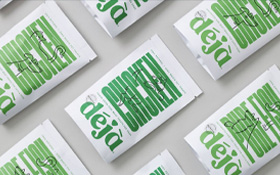

Snack Food Flat Bottom Zipper Bag


Snack Food Flat Bottom Zipper Bag – Specifications
| Brand | BIOPOUCHES |
| Bag Structure | Flat bottom with side gussets |
| Material | Recyclable material |
| Thickness | 130 microns |
| Closure | Resealable zipper top |
| Printing | Custom gravure printing |
| Size | Custom sizes available |
| Application | Snack food packaging |
| Place of Origin | Shanghai, China |
| Customization | Size, artwork and printing |
| Minimum Order | 1,000 pieces |
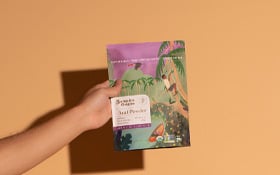
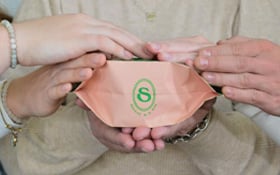
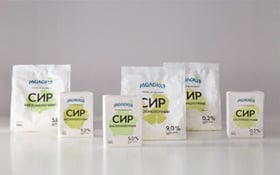
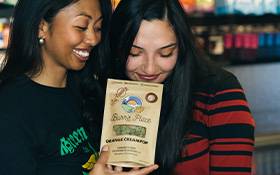
This snack food flat bottom zipper bag is custom printed, with a flat base, side gussets and a resealable zipper. BIOPOUCHES makes it to your size and thickness, and the original listing has it in a recyclable material. It gets used for chips, nuts, dried fruit, granola, cookies, jerky and candy, and each of those packs a bit differently.
Every Snack Packs Differently
Chips go soft once moisture gets in, so a chip bag needs a good moisture barrier and an inner layer that doesn't mind oil. Leave some room at the top as well. Packed tight, chips break on the filling line and again in the carton.
With nuts, oxygen is the bigger worry. Their oils go rancid, and light speeds that up. People eat nuts a handful at a time over a week or so, which means a lot of zipper use. Cookies and crackers break easily and soften in damp air, and once they've gone soft they stay soft.
Dried fruit is awkward. It can gain moisture or lose it, and sugary pieces stick to each other and to the film. Granola has mixed pieces and plenty of crumbs, and the bag usually gets opened every morning.
For jerky, the bag handles moisture and oxygen, but it won't make the product shelf-stable. That comes down to the recipe, the processing and testing of the packed product. Hard candy mostly has to stay dry so the pieces don't fuse together. Chocolate-coated pieces don't like heat, and strongly flavored sweets can pass their smell to whatever's nearby, or pick it up. Our snack and jerky packaging page has the other formats.
How the Flat Bottom Works With Snacks
Once filled, the gussets open, the base sits flat and the bag stands on a shelf without leaning on anything. You can print on the front, back, both sides and the base. Lots of brands put the nutrition facts and ingredients on a side panel and keep the front for the logo.
Don't size the bag by weight alone. 200 g of chips needs far more room than 200 g of almonds. Density, piece shape, headspace and gusset depth all change the dimensions. A flat bottom bag isn't automatically stronger than a stand-up pouch either. It has more corners, and the bottom ones are where several layers of film meet, so those seals get extra attention. They have to get through filling, cartons, trucks and shelves.
The Zipper and the Seal
The zipper is for after the first opening. Until then, the heat seal across the top protects the snack.
Snack lines are messy. Salt, sugar, seasoning, oil and crumbs land in the seal area while bags are filled, and a seal made over all that is weaker. Zippers run into the same trouble later. One that snaps shut on an empty bag can get stiff once crumbs build up in the track, so with granola or crackers, think about fill height and zipper position together.
Choosing the Film
Snack bags are usually a few layers bonded together: print on the outside, a barrier layer in the middle if the snack needs one, and a sealing layer inside against the food. Chips want moisture protection most, nuts want protection from oxygen and light, and dried fruit needs its moisture kept steady both ways.
Thickness doesn't tell you the barrier. A thick film without a barrier layer can protect less than a thin one that has it. Conventional laminates give the most barrier choices. Recyclable structures built from compatible materials are possible too, and the original listing has this bag as recyclable. Whether a finished bag actually gets recycled comes down to the film, the zipper and the local recycling system, so check the claim against your exact bag. See our recyclable packaging.
How We Make Flat Bottom Snack Zipper Bags
First we want to know the snack, fill weight and volume, the shelf life you're aiming for, how you fill and store it, your artwork and how many bags you need. The film gets picked after that, for barrier, sealing, stiffness, look and how it'll behave on your filling machine.
Your artwork goes onto a dieline showing every panel, fold and seal. Barcodes, nutrition panels and ingredient lists sit on flat areas, away from seals. We print by gravure, matching your colors and watching registration and defects while it runs. Some orders can go to digital printing instead. Registration that's slightly off is hard to see on flat film and easy to see once it wraps around a side panel.
Multi-layer bags are laminated next. Adhesive goes on, the layers are bonded, and the laminate cures if the structure needs it. Bad lamination turns up later as bubbles, layers coming apart, or film that won't seal.
Then the bag machine cuts the film, forms the base and gussets, and heat seals it, with the dimensions watched the whole time. The zipper is fitted to the inner film at the agreed height and kept straight, then opened and closed to confirm it works. Finished bags are inspected, counted and packed. There's more on printing in our flexible packaging printing process article.
In the Lab
Our heat-seal tester makes sample seals at a set temperature, pressure and dwell time. Every film has its own window. Too cool and the seam is weak, too hot and the film thins or warps. We can try seals with a little salt, powder or oil on them too, since that's what happens on a real snack line.
A bag can look sealed and still have a weak seam. The electronic tensile tester pulls apart a strip cut across the seal and records the force, and it measures film strength as well. Cut samples the same way and stick to one method, or the numbers won't compare.
Leak-testing equipment finds holes or gaps at seals, corners, the zipper attachment and the bag body. It shows whether a defect is letting air in. How much oxygen or moisture moves through the film itself is a separate question, and a leak test won't answer it.
Film that's too slippery or too grippy moves unevenly through printing and forming, and can misfeed on an automatic filler. The coefficient-of-friction tester picks that up. The lab oven conditions samples at a set temperature for some material checks, but an oven test alone won't give you the shelf life of a packed snack.
Outside the lab, bags are inspected for zipper function, size, how the flat bottom forms, print alignment, lamination faults and general look. Not every instrument gets used on every order. You can see the lab in our factory and testing photographs.
On the Production Floor
Production runs on our SOPs. Incoming film rolls are identified and matched to the material specification. Artwork is approved first, and a pre-production sample shows what the finished order should look like. The machines are set to match that sample. Operators watch printing, lamination, zipper alignment, bag size and the corner seals while the job runs, and finished bags are inspected before packing.
Good setup stops most problems. Inspection finds the rest, and some of those only show later. An empty bag can look fine and then lean or bulge once it's full. A seal can look smooth and still split when a carton gets thrown around.
Questionable bags get pulled aside and reviewed instead of shipped. Batch records let a fault be traced back to the film roll or the run it came from.
Ordering Custom Snack Bags
Minimum order is 1000 pieces. Size, thickness and printing are all custom. To get a quote, send the snack, fill weight, rough bag size if you have one, how long it should last, how you fill it, your artwork and the quantity. No size in mind yet? Give us the product and fill weight and we'll work one out.
Talk to Us About Your Snack Packaging
Tell us what you're packing and how you fill it.
Contact BIOPOUCHESThe Packaging You May Like


Have a Question?

With BIOPOUCHES