






Flat Bottom Tin Tie packaging Bag


Flat Bottom Tin Tie Packaging Bag – Specifications
| Brand | BIOPOUCHES |
| Bag Structure | Flat bottom with side gussets |
| Material | Recyclable material (specific structure to be confirmed) |
| Thickness | 130 microns |
| Size | Custom dimensions |
| Printing | Custom gravure printing |
| Closure | Fold-down tin tie; no zipper |
| Applications | Coffee packaging |
| Customization | Size, artwork, printing and material requirements |
| Manufacturing Location | Shanghai, China |
| Minimum Order | 10,000 pieces |
Final material structure, recyclability, dimensions and tin-tie specifications are confirmed before production.
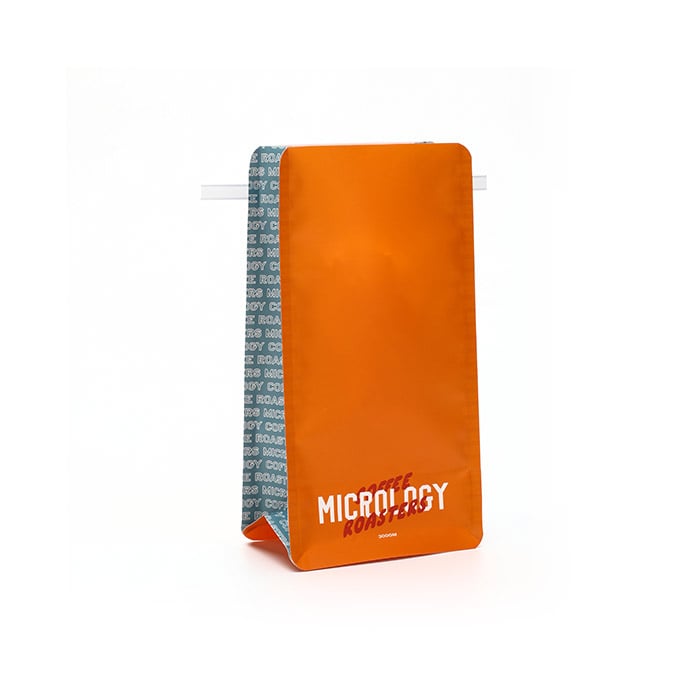
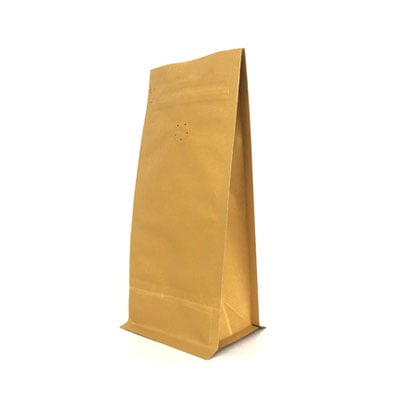
Our flat bottom tin tie bags have a flat base, side gussets and a tin tie across the top. Filled, the bag stands up on its own, and the side panels give you more room for product and printing. We make them to your size at BIOPOUCHES and print your design on them.
How the Tin Tie Works
The tie is a flat strip with a bendable wire inside, fixed across the top of the bag. After opening, your customer folds or rolls the top down a couple of times, then bends the ends of the tie around the sides to hold it. To open it again, they straighten the ends and unroll the top.
A zipper works differently. You press it shut along a track. A tin tie closes by folding, so there is nothing to line up, and the bag gets shorter as the product goes down. Neither one is airtight. The tie keeps the bag closed and tidy between uses, but protecting the product before the first opening is the job of the film and the heat seal across the top.
Why Brands Choose Flat Bottom Tin Tie Bags
The flat base keeps the bag standing straight on a shelf, and the folded top gives it a hand-closed look that suits coffee and bakery products. We make these bags for coffee, bakery products, snacks and other dry food, with the film picked for what goes inside.
One thing to plan for: after the first opening, the top of the bag is folded over, so the upper part of your front panel goes out of sight. Put your logo and main message lower down, where they stay visible.
How We Fit the Tin Tie
The tin tie looks like a simple part, but where it goes and how it is attached decide whether the bag works. First we choose the tie. Its length, width and construction have to suit the bag width and the film.
Then the position. The tie sits near the top, with enough film left above the fill line for the customer to fold the top over a couple of times. If it is too high, there is not enough film to roll down. If it is too low, it ends up close to the product and the bag is awkward to close.
We attach the tie with a method that suits the bag structure and check that it is straight and in the same place from bag to bag. A crooked tie gives an uneven fold. We also bend sample ties to make sure they hold the folded top and stay attached when the bag is handled.
Printing and Making the Bag
We print your design on the film by gravure, then check the printed film for color, alignment and marks before it goes to the bag machine. Your artwork has to allow for the front, the back, both side panels, the bottom folds and the tie line. Keep text and barcodes clear of the tie and the bottom folds.
If your bag uses more than one layer of film, we laminate the layers after printing. On the machine we cut the film, form the flat base and side gussets, and heat seal the seams. Our article on the flexible packaging printing process explains how we print.
Picking the Right Film
The film depends on what you pack. Coffee, baked goods, powders and dry snacks need different amounts of protection from moisture and air, and they behave differently on a filling line. Freshly roasted coffee gives off gas, so a tin tie bag is not automatically right for coffee packed straight after roasting. Tell us your roasting and packing timing and we will look at it with you.
Our guide on choosing the right food packaging helps match material to product. For other coffee formats, see our coffee packaging range.
How We Check the Bags
Every step follows our SOPs. We check the seals, the bag size, the print and the tin tie, and we make sure the tie is straight and securely attached before the bags are packed. In our lab, a heat-seal tester helps us find the right seal settings for your film, a tensile tester measures how strong the seals are, and a leak tester looks for gaps in them. We don't post test results here, but ask us about testing for your order. You can see the lab and production line in our factory and testing photographs.
Planning Your Bag
Start with what you are filling and how much. We work out the bag size from that, then set the tie position so there is room to fold. Send us your product, fill weight, preferred bag size, artwork and quantity, and let us know whether you fill by hand or by machine.
Ask About Tin Tie Bags
Tell us what you are packing and we will put together a quote.
Contact BIOPOUCHESThe Packaging You May Like
Have a Question?
With BIOPOUCHES